Crude oil prices surged as much as 10 per cent to over $82 per barrel, after Iran launched retaliatory strikes in response to the US-Israeli’s “Operation Epic Fury” offensive – and the assassination of their Supreme Leader, Ayatollah Ali Khamenei.
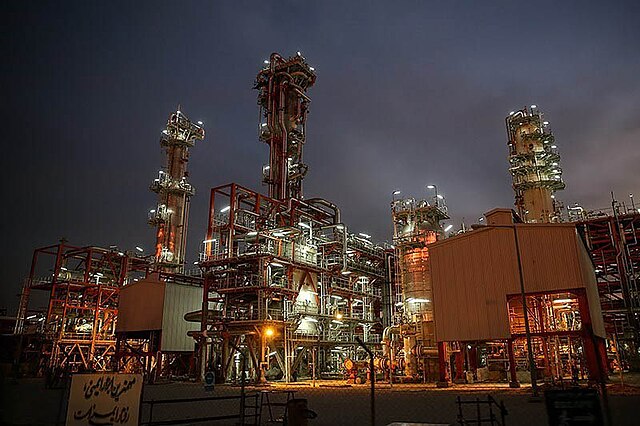
European gas has soared up by approximately 50 per cent following an Iranian strike on Qatar’s LNG sites, leading to a total shutdown in production. Saudi Arabia’s Aramco sites have also been struck by drones.
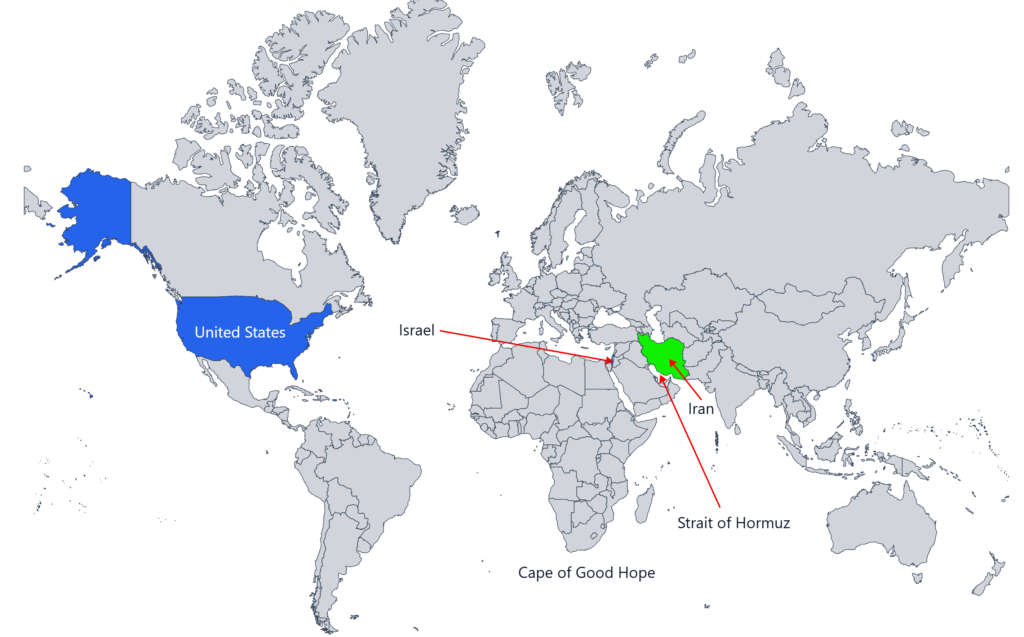
Significantly as well, heavy military activity has occurred in the key shipping route of the Strait of Hormuz, in which oil tankers have been attacked. The route accounts for 20 per cent of the world’s shipped oil and gas.
It is expected that the other major shipping companies will follow suit.
OPEC’s Response
To help calm the markets, OPEC+, the sister group of OPEC – the governing body of the world’s leading oil-producing countries – have announced they will be raising oil output to 206,000 barrels per day, with much of the increase being taken from Saudi Arabia’s supply.
But given the volatility over shipping routes in addition to production and refinery sites being targeted by Iran, it is uncertain how effective this promise will be in quieting costs for consumers.
This adds another chapter to what has already been an intense period of uncertainty for the Oil and Gas markets following the capture of Venezuelan President Nicolas Maduro by US Special Forces in January.
The intervention in Caracas led to a 2 per cent jump in oil prices; it also saw a massive leap in stock prices for the American oil giants, such as Chevron and ExxonMobil, after US President Donald Trump declared “We are running the oil in Venezuela.”
But this increase, while initially seeming unsustainable with the oil price dropping 3 per cent in February, now seems set to remain elevated – at least for now.
Rhetoric from both sides suggest further escalation, with Trump warning that “there will likely be more deaths” of US troops and Iranian President Masoud Pezeshkian announcing “full-fledged war” with the US, Israel and Europe.
In the meantime, consumers will be hit hard, while shipping disruptions and continued halts to production may also affect profits for energy companies – despite the high prices.