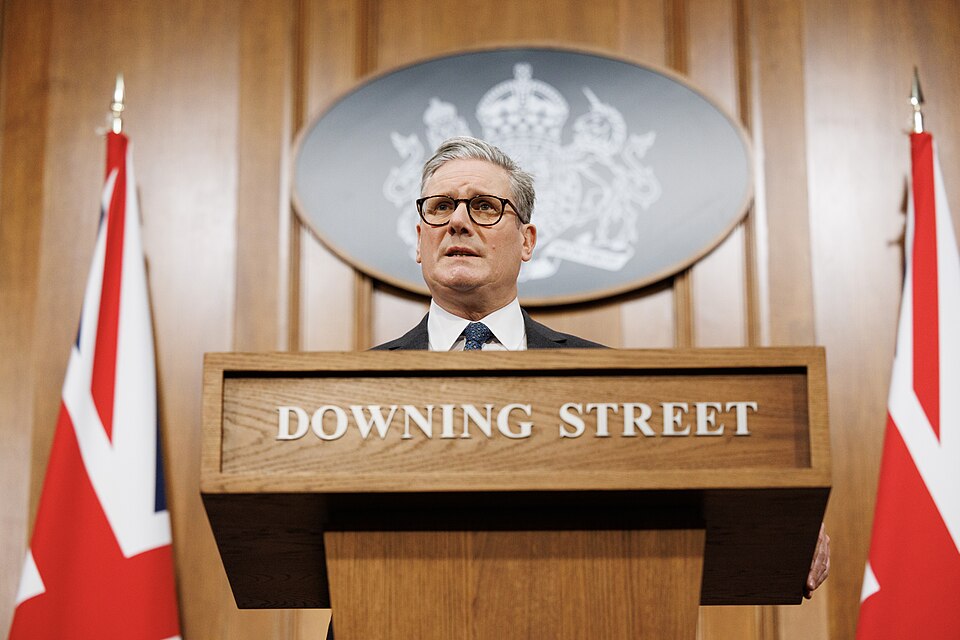
Keir Starmer’s resignation as prime minister has caused a predictable drop in the UK markets, with the country now facing its seventh leader in a decade.
Unsurprisingly, this has spooked the bond markets, with UK gilts rising nearly 5 per cent following the PM’s departure and the expectation that Andy Burnham, the newly elected MP for Makerfield and Mayor of Greater Manchester, will be his successor.
The rise in bond price will see UK borrowing costs increase, signalling a warning to the new would-be leader that the City demands sterner fiscal discipline than is currently forecast by a Burnham premiership.
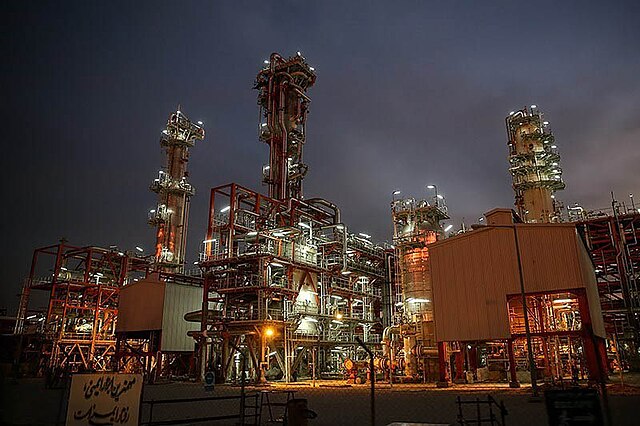
The FTSE100 though has rallied, with Shell and BP enjoying trade increases by market close.
It is currently unclear what Burnham’s plans are for the Energy Trading giants or indeed the wider energy industry as a whole. He has previously stated he is “open-minded” about North Sea drilling and has also reaffirmed his commitment to Labour’s Net Zero targets.
With the departure of Starmer, this most likely means Chancellor Rachel Reeves will leave No. 11.
Burnham though will be likely to stick to her energy-related pledges from the Autumn Budget, such as the freeze on fuel duty increases, due to both the Iran War and the wider popularity of the policy.
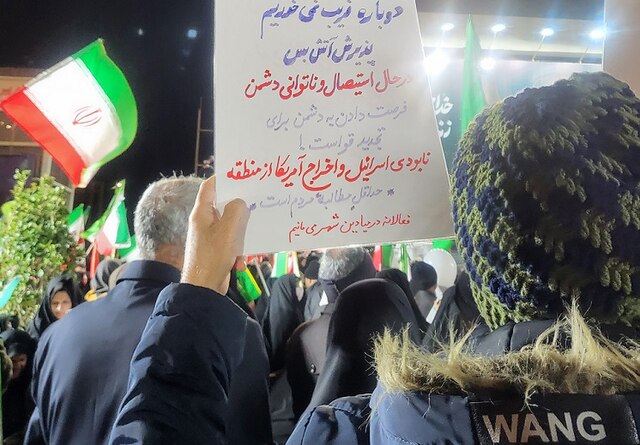
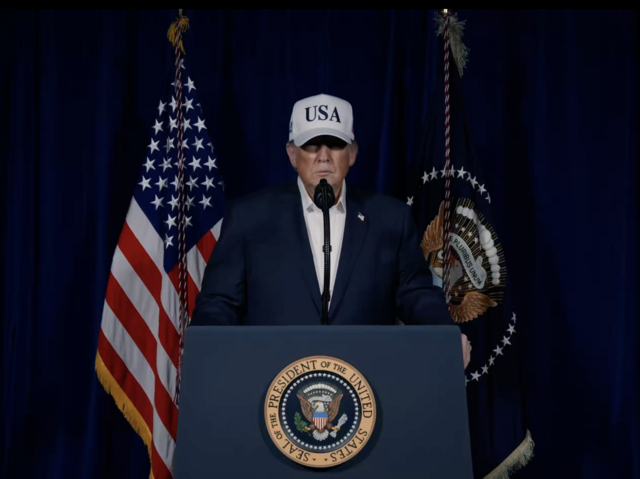
Indeed, a key sticking point will be how Burnham navigates US president Donald Trump and the Iran War, with the conflict curtailing his likely predecessors’ efforts to reduce inflation and combat energy costs.
But given Starmer and Europe’s general ineffectuality on deterring Trump from participating in the conflict, whether Burnham will be able to have more sway on the American president is of course unlikely.
For now though, the Energy Markets have no choice but to remain operating within this volatile framework. Reductions in the bond price, in addition to reopening the Strait of Hormuz, seem so far as the best outcomes to restore a measure of calm – something the new Prime Minster will no doubt attempt to achieve.